
Traveling with Pets: A Comprehensive
Guide to Pet-Friendly Airlines.
Guide to Pet-Friendly Airlines.
Flying with pets is becoming more popular as airlines recognize the desire to share travel experiences or relocate with our loyal companions. Although the experience can be rewarding for both owners and pets, it requires careful planning to ensure a stress-free and safe journey for you and your beloved pet.
For many, pets also serve as "emotional support," and numerous airlines, especially in the USA, have special provisions for them.
There is much to consider before taking your pet on a flight, but with thorough research and preparation, your pets will appreciate the effort to make their journey safe and comfortable. Airlines have different approaches to pet travel and specific rules and guidelines to follow. The process can be lengthy and daunting for first-time pet travelers, so we have compiled this guide to help you navigate the complex procedures and highlight some of the best airlines to consider, ensuring your journey is memorable for all the right reasons.
Your pet will need a thorough health check. The healthier the pet, the better it will handle the stresses of air travel and recover quickly. Underlying health or weight issues can increase vulnerability during long flights.
Vaccinations will be necessary based on the destination's requirements, possibly requiring a series of treatments. Discuss your travel plans with your veterinarian early to allow sufficient time for the vaccination process, which can be lengthy.
Parasite treatment is also essential. Pet import regulations vary by destination, and your pet may need treatments within a specific timeframe. Consult your veterinarian for advice. Microchipping your pet is recommended; ensure the database details are current, particularly the owner information, as customs officials will use a microchip reader to process your pet. A microchip also serves as a safety measure if you become separated from your pet.
Your vet will help complete the necessary paperwork to obtain a valid Animal Health Certificate for the EU or an equivalent pet passport for other destinations. This will include medical history and vaccination records. Completing this paperwork accurately is critical, so allow plenty of time.
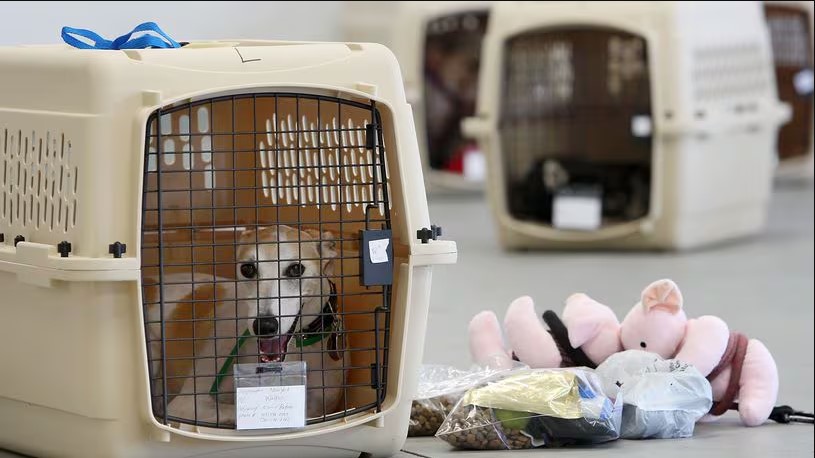
Invest in an airline-approved pet carrier or kennel and familiarize your pet with it well before the flight to reduce stress. Ensure the carrier meets your airline's guidelines, which can vary. Many airlines offer approved carriers for an additional cost. Recognized service dogs often travel for free in the cabin with the owner, but emotional support dogs usually must travel in the hold with other pets. Check your airline's policy early to see if your dog qualifies to travel in the cabin.
Flying with pets can be expensive, with costs varying significantly between airlines and depending on the animal's type, breed, size, and weight. Below, we list popular airlines offering pet-friendly travel services with key features to note.
Generally, pets, including dogs, cats, and other animals, travel in a pressurized and air-conditioned hold on the same aircraft as their owner, within appropriately sized and secure kennels or containers based on the animal's size. The environment is designed to be calming, with conditions similar to those in the passenger cabin. These holds are usually dimly lit and kept undisturbed to minimize stress for the animals. Each airline follows specific local guidelines and adheres to the International Air Transport Association's regulations for transporting animals. These regulations ensure that kennels and containers are appropriately sized to allow animals to move freely. Some airlines offer assistance in selecting the right containers, while others require owners to manage this themselves. Detailed measurement and weight limit information is available on each airline's website. Many airlines allow smaller dogs – typically under 8 kilogrammes and small enough to fit inside a pet-friendly travel bag under the seat ahead – to travel with the owners in the cabin. However, it is not universal amongst airlines and may not always be the best environment for your pet in any event. Your pet will have to remain inside the pet travel bag throughout the journey, and there will be far more to distract your small pet in the main cabin. It will be noisy, the owner may transfer their travel anxieties onto their pet, and there is no Plan B if your pet becomes distressed and anxious.
Pet places on aircraft are limited, and not all aircraft or cabins will have the capacity or space to house a travelling pet. Research diligently and book your pet's flight tickets well before travel dates to ease the process and prevent disappointment.

The United States airline restricts pet travel to cats and dogs only, and they can only be on flights up to 12 hours long (including customs time) to specific destinations, excluding transatlantic flights. Sometimes, pets are allowed to travel as a paid checked carry-on, but this depends on the animal's breed, size, age, and destination. Pet owners must provide a suitable kennel that fits under the seat in front, and the animal must stay inside for the entire flight. In this case, the kennel and the animal count as the maximum carry-on luggage. For all other scenarios, pets must travel with American Airlines Cargo. Due to space limitations, carry-on pets are not allowed in First or Business Class on certain Boeing 777s and 787s. Fully-trained service animals can travel in the cabin for free. For full terms and conditions and the latest pricing, check the airline's website on pet travel.
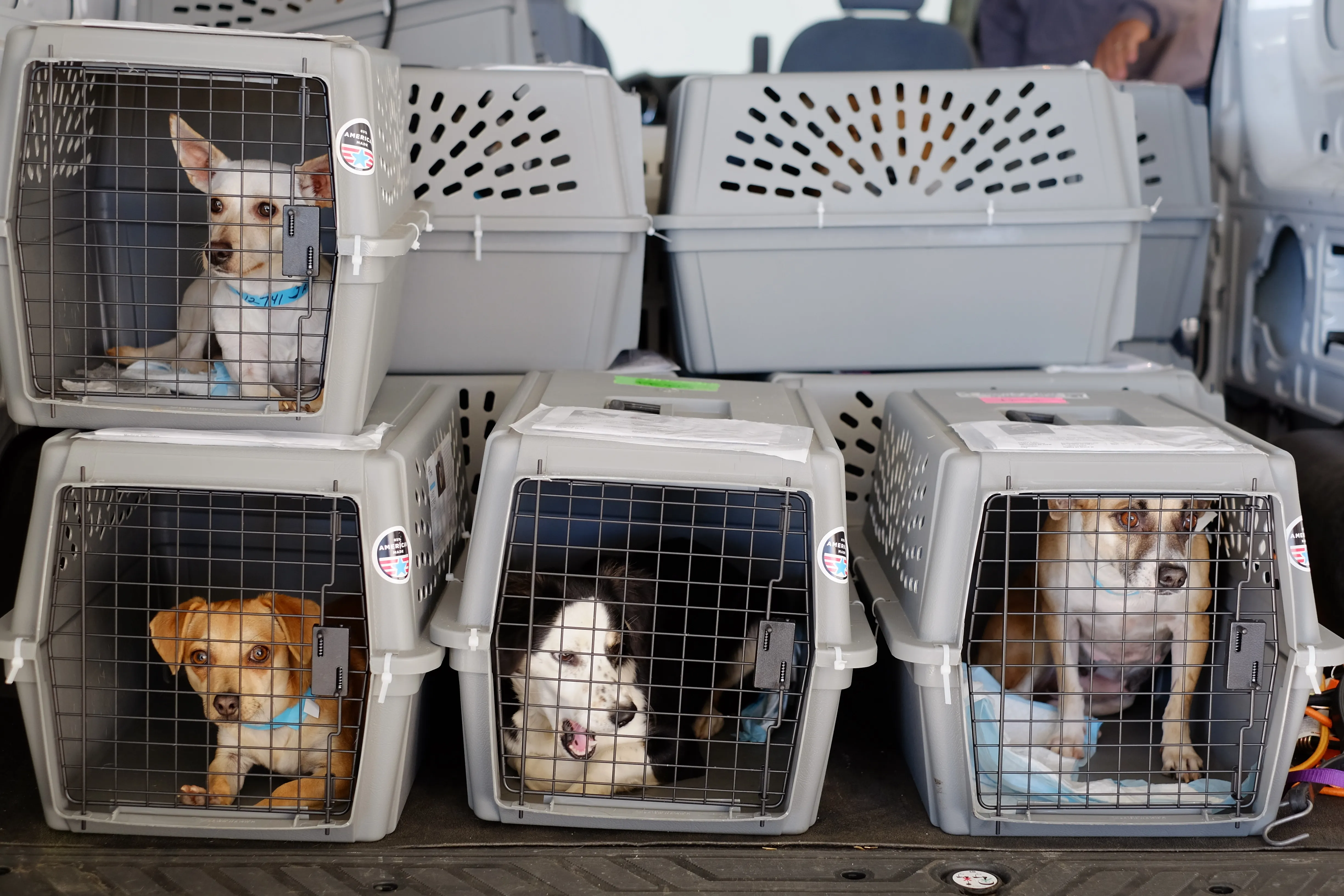
Dubai-based Emirates offers a specialized pet-friendly service called Emirates Pets through Emirates SkyCargo. This service is designed to provide the highest level of care for your pets while strictly following the International Air Transport Association's Live Animal Regulations (IATA LAR). Due to its strategic location, Dubai Airport is frequently used for transit, and Emirates has excellent facilities for animals arriving or departing during transit, including veterinary support if needed. A minimum connection time of six hours is required in Dubai for optimal transit care. During this time, pets will be fed, cleaned, and exercised according to the owner's requests. As with other airlines, there are restrictions on certain breeds of dogs and cats that cannot be transported by Emirates SkyCargo. Additional conditions apply for the import of dangerous dogs and their hybrids, although they may be allowed for transit with proper approval from the destination country. Service dogs are permitted to travel in the cabin with their owners—check directly with the airline for more information.
Business-Tickets.com newsletter
Subscribe to Business-Tickets.com newsletter!
Be the first to know about exclusive offers on flights!